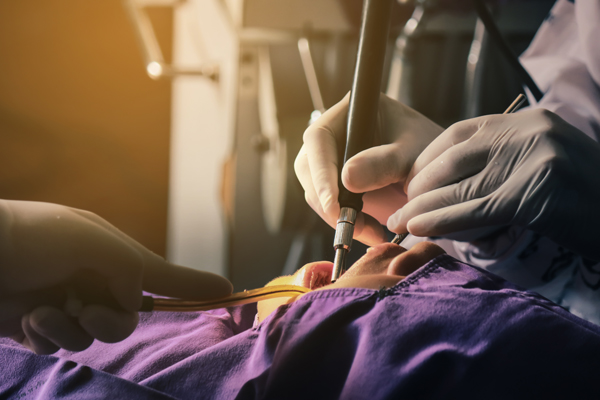
Bone grafting is a surgical procedure that is done to rebuild bone loss or repair bone damage in the oral cavity. When a tooth is lost or removed from its socket, the alveolar bone supporting it starts to deteriorate, resulting in a gradual collapse of facial features. If this happens, a patient who opts for dental implants will need to undergo bone grafting before the implant procedure. Bone resorption may also cause speech issues and difficulty eating. This article talks about healing and recovery after bone grafting.
Tips for recovery
The following are tips for recovery after undergoing a bone grafting procedure:
Avoid disturbing the wound
For the first few days after the surgery, the wound will be delicate. Patients must avoid spitting or touching the area. The minor disturbance could disrupt the wound and cause bleeding. It will take a few days before the stitches heal completely.
Bleeding
It is usual for patients to notice some bleeding on redness in their saliva. Excessive bleeding can be managed by placing a gauze pad on the bleeding area and biting on it for 30 minutes or until the gauze is soaked. The should be repeated until bleeding stops. If bleeding persists, a visit to the dentist is necessary.
Swelling
Swelling around the cheeks or mouth is normal and often becomes obvious a day after the surgery. The swelling may increase over the next two to three days. Patients can alleviate swelling by applying ice packs on the area. There is no reason to be worried if swelling and jaw stiffness continues for several days. Thirty-six hours after the surgery, patients can apply moist heat to the face to further reduce swelling.
Diet
Patients need to stick to a diet of soft foods, and stay away from hot foods and drinks until the numbness wears off. Chewing on hard foods can disturb the blood clot in the area. Raw milk products have live bacteria that may have adverse effects on the new bone graft. If the bone graft was done alone or together with dental implant placement, patients must avoid dairy products for at least two days after surgery. The dentist will suggest when to resume regular foods.
Pain meds and antibiotics
Once the local anesthetic wears off, patients can start using pain medications every eight hours to alleviate pain. The dentist will recommend the proper dosage depending on the degree of pain.
Antibiotics help to prevent infections and should be used according to instructions. Patients must avoid stopping antibiotics use unless they experience an allergy or abnormal reaction.
Oral hygiene
For complete recovery from a bone grating procedure, good oral hygiene is important. Patients can clean their mouths with dental rinses or saltwater rinses multiple times daily after the surgery. They must be careful and gentle when brushing close to the area where the surgery took place.
In conclusion
Recovery time after bone grafting varies depending on the patient. It is important to follow the dentist’s instructions to ensure optimal healing and recovery. For more information, do not hesitate to contact the oral surgeon.
Request an appointment here: https://www.northsideoms.com or call Northside Minnesota Oral & Maxillofacial Surgeons at (763) 284-3159 for an appointment in our Coon Rapids office.
Related Posts
A dental implant is a tooth replacement option that has been growing in popularity — and for good reason. Its long-lasting durability, seamless visual appeal, and jawbone stimulation make it useful in ways that most alternatives, such as dentures, cannot match. However, not everyone is a good candidate for a tooth implant.To understand whether an…
Bone grafting is a minor surgical treatment done under local anesthetic to replace depleted bone tissue. The grafting material may be inserted into a tooth socket just after a tooth is removed or at a location where a tooth has been absent for an extended period. Over the next few months, your body will produce…
Wisdom teeth extraction may be necessary to achieve better dental health. Research shows that the third molars often emerge after all your teeth have erupted. Wisdom teeth may not be a problem at all. But in some cases, the dentist will recommend their removal. Here are the details on how a wisdom teeth extraction happens.This…
Undergoing oral surgery can feel overwhelming, but proper post-operative care is crucial to ensure a smooth recovery. Whether you have had wisdom teeth removed, dental implants placed, or another procedure, following the right recovery steps can help minimize discomfort and prevent complications.First and foremost, the oral surgeon will provide detailed post-operative care instructions specific to…