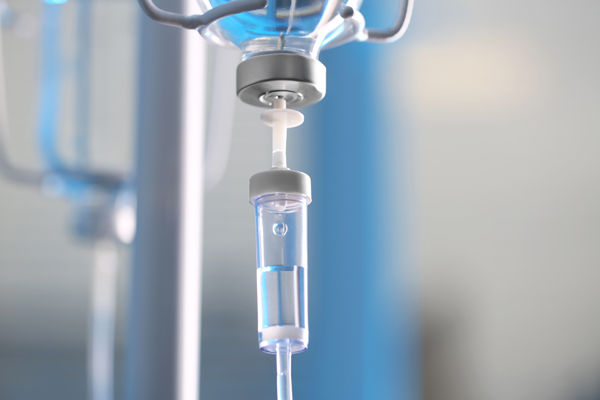
IV sedation is a safe and effective method used to keep patients calm and comfortable during oral surgery. By delivering medication directly into the bloodstream, IV sedation works quickly and allows the oral surgeon to adjust the level of sedation as needed. This technique has become one of the most trusted ways to manage anxiety, discomfort, and complex procedures in oral surgery.
What IV sedation does
The primary purpose of IV sedation is to reduce anxiety and create a state of relaxation. Unlike general anesthesia, patients remain conscious but deeply calm, often remembering little about the procedure afterward. IV sedation is especially beneficial for lengthy treatments or when multiple procedures are performed in a single visit. It also helps patients who have strong dental anxiety or difficulty sitting still for extended periods.
The process of administering IV sedation
The process begins with a consultation to review medical history and determine whether IV sedation is appropriate. On the day of surgery, a licensed professional places an intravenous line to administer the medication directly into the vein. The effects occur almost immediately, allowing the oral surgeon to proceed once the patient is relaxed.
Throughout the procedure, we carefully monitor vital signs such as heart rate, oxygen levels, and blood pressure. Our team can make adjustments to the medication as necessary to ensure the patient remains comfortable and stable. Once the surgery is complete, the effects of IV sedation wear off gradually, though a short recovery period in the office is usually required before going home.
Benefits of IV sedation
Several key benefits make IV sedation a preferred option for many oral surgery patients:
- Fast onset: Relaxation occurs within minutes of administration.
- Adjustable levels: Sedation can be fine-tuned to meet the specific needs of the patient.
- Reduced memory of procedure: Many patients remember little or nothing afterward, minimizing stress.
- Improved comfort: Procedures feel shorter and more manageable.
These advantages allow both the patient and the surgeon to focus on achieving the best possible outcome.
Safety and considerations
IV sedation has an excellent safety record when administered by a trained oral surgeon. Careful screening before treatment ensures that candidates are medically suitable. Patients will need to fast for a period before surgery and to arrange for transportation afterward, since lingering drowsiness is common. The use of modern monitoring equipment and established protocols further reduces risks.
Learn more today
IV sedation plays an essential role in modern oral surgery by providing comfort, reducing anxiety, and supporting successful treatment outcomes. It bridges the gap between local anesthesia and general anesthesia, making it ideal for patients who need a higher level of relaxation without full unconsciousness. With the oversight of a skilled oral surgeon, IV sedation ensures that necessary procedures are completed safely, efficiently, and with minimal stress. For more information or to schedule an appointment, call our office at (763) 284-3159.
To schedule a consultation, request an appointment on our website at https://www.northsideoms.com or call Northside Minnesota Oral & Maxillofacial Surgeons at (763) 284-3159 for an appointment in our Coon Rapids office.
Related Posts
Placing dental implants takes precise planning and movement and ensures long-lasting, successful results. Cone beam X-ray technology is essential for oral surgeons during dental implant placements. This technology provides detailed, three-dimensional images of the oral and facial structures.Cone beam X-ray technology offers a significant advantage in dental implant procedures by producing highly accurate three-dimensional images…
Wisdom teeth extractions can help adults address pain, infections, crowding, and hard-to-clean third molars before they cause larger problems. Although many people get their wisdom teeth removed as teenagers, adults can also benefit from extraction when these back teeth do not have enough room to grow in properly. An oral surgeon evaluates the position of…
Temporomandibular joint (TMJ) disorders can cause significant discomfort and affect your overall quality of life. TMJ treatment is an important consideration if you are experiencing jaw pain, headaches, or difficulty chewing. Oral surgeons recommend distinct treatment options based on the severity and specific cause of the condition.In many cases, conservative approaches represent the first line…
Visiting an implant specialist is essential for patients considering dental implants to replace missing teeth and restore oral function. An implant specialist possesses advanced training and specialized expertise in dental implant procedures, ensuring optimal results and reducing the risk of complications. Consulting with an implant specialist helps patients achieve long-lasting, comfortable, and natural-looking replacements for…