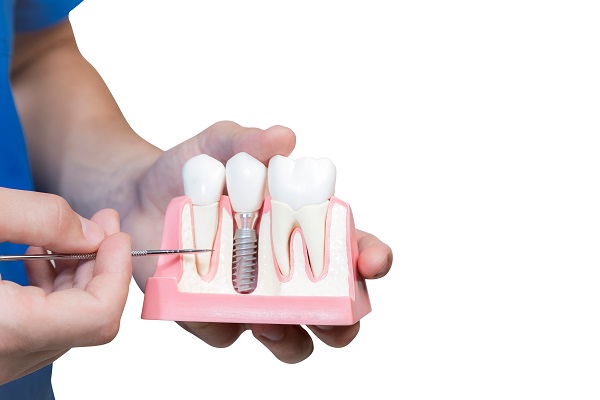
An oral surgeon can help patients with missing teeth restore the look, feel and function of their smile through the installation of dental implants. These do require a minor surgical procedure, so it is helpful to fully understand the dental implants process when determining whether to choose this treatment option.
The dental implants installation process
When it comes to installing implants, implant dentists typically follow a fairly straightforward process. The following are four basic steps to the dental implants installation process that many oral surgeons follow, including before, during and after the procedure itself.
Pre-surgery preparation
The first step in the dental implants process is to schedule an initial consultation with an oral surgeon or dentist who is capable of performing the surgical implant placement process. On the initial visit, the dental professional will check to see if any preparations that are needed before the placement of the implant, such as bone grafting, gum disease treatment or gum grafting. While some patients may not need much if any pre-surgery treatment, it is important for those with minor oral health complications to ensure good oral health before the procedure.
The implants placement
Once the patient's mouth is ready for surgery, a day and time is scheduled for the placement of the implant. The implant is placed either inside of the existing jawbone above or below the missing tooth, or on the bone. The placement involves making an incision into the gums and putting the implant into or on the bone. After the surgery, the implant may need several weeks or even months to properly fuse together with the bone inside the jaw.
Abutment and artificial tooth placement
Once the process called osseointegration takes place, which involves the bone and implant connecting together to essentially become one, an abutment is placed onto the implant, upon which the artificial tooth is placed. In most cases for a single missing tooth and one implant, a dental crown is attached to the abutment, whereas a bridge or denture may be attached to a set of implants to replace multiple missing teeth.
The aftercare and recovery process
There is the possibility of discomfort, swelling and soreness for a little while following the placement of the implant as it is a surgical procedure. However, any pain is generally tolerable if the aftercare instructions provided by the oral surgeon are closely followed. For the first few weeks following the surgery it is encouraged to primarily eat soft foods, such as oatmeal, eggs, protein shakes and soup. Also be certain to practice good oral hygiene by gently brushing several times each day and using mouthwash frequently, along with making all scheduled visits with the oral surgeon during the recovery process.
Talk to an oral surgeon about dental implants
If you are missing one or more of your natural teeth and want to learn more about the benefits of dental implants, get in touch with our team today. Schedule a visit to discuss treatment options.
Are you considering dental implants in the Coon Rapids area? Get more information at https://www.northsideoms.com.
Related Posts
Bone grafting is a minor surgical treatment done under local anesthetic to replace depleted bone tissue. The grafting material may be inserted into a tooth socket just after a tooth is removed or at a location where a tooth has been absent for an extended period. Over the next few months, your body will produce…
Wisdom teeth extraction may be necessary to achieve better dental health. Research shows that the third molars often emerge after all your teeth have erupted. Wisdom teeth may not be a problem at all. But in some cases, the dentist will recommend their removal. Here are the details on how a wisdom teeth extraction happens.This…
Undergoing oral surgery can feel overwhelming, but proper post-operative care is crucial to ensure a smooth recovery. Whether you have had wisdom teeth removed, dental implants placed, or another procedure, following the right recovery steps can help minimize discomfort and prevent complications.First and foremost, the oral surgeon will provide detailed post-operative care instructions specific to…
Undergoing oral surgery can feel overwhelming, but proper post-operative care is crucial to ensure a smooth recovery. Whether you have had wisdom teeth removed, dental implants placed, or another procedure, following the right recovery steps can help minimize discomfort and prevent complications.First and foremost, the oral surgeon will provide detailed post-operative care instructions specific to…