3 Common Types of Jaw Surgery
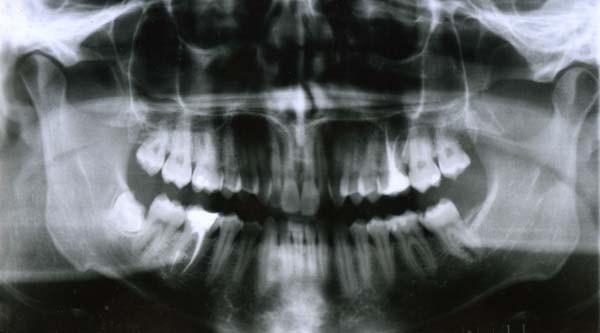
Jaw surgery, formally known as orthognathic surgery, is a common procedure that an oral surgeon performs to address a range of dental and facial problems. Jaw surgery may involve manipulating the upper or lower jaw bones or both. This article will define the three most common types of jaw surgeries: maxillary ostomy, mandibular osteotomy, and maxilla-mandibular orthognathic surgery.
3 Types of Jaw Surgery
Understanding Malocclusion Classifications
While there are many reasons the oral surgeon will recommend jaw surgery, the main reason is due to severe malocclusions. Malocclusions are characterized by abnormal relationships between the teeth, jaws, and facial muscles. The word malocclusion refers to a faulty bite. They are divided into three main classes. Traditional orthodontic appliances, such as braces, can usually correct Class I. Class II malocclusions are for those who do not have enough vertical space between the upper and lower teeth due to underdevelopment in the jaw. Class III malocclusions result from a traumatic injury, undeveloped upper or lower jawbone, receding chin, or a genetic trait.
Maxillary Osteotomy
Maxillary osteotomy is a surgical procedure that repositions the maxilla (upper jaw) in order to correct an anterior crossbite or open bite. The oral surgeon will also use this procedure to correct jaw deformities such as mandibular prognathism, mandibular retrognathism, and skeletal class II malocclusions.
This jaw surgery involves the removal of bone from the upper jaw and repositioning it, lengthening it, or shortening it where needed. The surgeon will make incisions in the bones on both sides of the upper jaw and realign them into position with biocompatible titanium plates, wires, and screws.
Mandibular Osteotomy
Mandibular osteotomy is usually performed on patients who have severe facial asymmetry, who are not candidates for traditional orthodontic treatment, or who have had previous orthodontic treatment that failed to correct their malocclusion. In addition, this form of jaw surgery may help those with class III malocclusions, problems with speech or swallowing, temporomandibular joint (TMJ) disorder, sleep apnea, or facial defects noticed at birth.
The surgery involves making an incision in the gum line to access the mandible (lower jaw). The surgeon will then cut through the jawbone, realigning it to improve its position. If necessary, the surgeon will also reposition the teeth before fusing pieces of the jawbone back together with titanium plates, wires, and screws.
Maxillo-Mandibular Orthognathic Surgery (Double Jaw Surgery)
In some cases, patients may be experiencing class II and III malocclusions; therefore, the surgeon may recommend the maxillo-mandibular orthognathic procedure. It is important for patients to understand that this jaw surgery may happen in one session or multiple, depending on the patient's condition.
During the procedure, the surgeon will need to cut into both the upper and lower jaw bones to remove pieces and reposition them and the teeth or dental restorations (if applicable). The surgeon will then attach titanium plates, wires, and screws into both jawbones, remaining in place until after healing.
Schedule a consultation
Jaw surgery can be a great option for those with deformities in their jaw and those with conditions that cannot be corrected with traditional orthodontic appliances such as braces or headgear. If you need jaw surgery, contact us today to schedule a consultation.
Request an appointment here: https://www.northsideoms.com or call Northside Minnesota Oral & Maxillofacial Surgeons at (763) 284-3159 for an appointment in our Coon Rapids office.
Related Posts
Wisdom teeth extractions can help adults address pain, infections, crowding, and hard-to-clean third molars before they cause larger problems. Although many people get their wisdom teeth removed as teenagers, adults can also benefit from extraction when these back teeth do not have enough room to grow in properly. An oral surgeon evaluates the position of…
Temporomandibular joint (TMJ) disorders can cause significant discomfort and affect your overall quality of life. TMJ treatment is an important consideration if you are experiencing jaw pain, headaches, or difficulty chewing. Oral surgeons recommend distinct treatment options based on the severity and specific cause of the condition.In many cases, conservative approaches represent the first line…
Visiting an implant specialist is essential for patients considering dental implants to replace missing teeth and restore oral function. An implant specialist possesses advanced training and specialized expertise in dental implant procedures, ensuring optimal results and reducing the risk of complications. Consulting with an implant specialist helps patients achieve long-lasting, comfortable, and natural-looking replacements for…
Maxillofacial surgery treats conditions affecting the jaw, face, and oral structures. These procedures not only improve function and relieve discomfort but also contribute to overall oral and facial health. Every patient’s needs are different, and oral surgeons provide specialized care to address each unique situation. If you are considering treatment, learning about some of the…