Aftercare for Dental Bone Graft Procedure
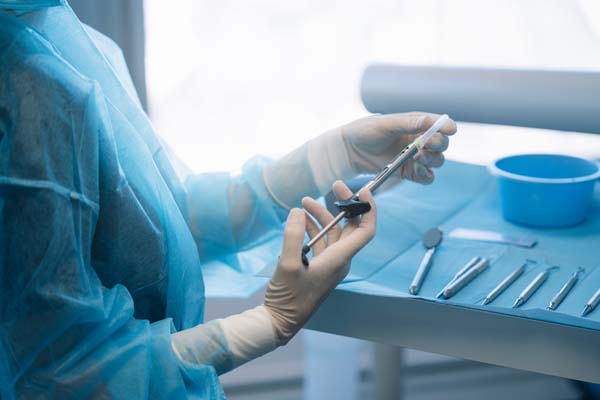
For those who just had a dental bone graft procedure, it is important to follow specific instructions for care after the surgery. This will limit complications and make sure the area heals properly and quickly.
Instructions for post-op care
Manage pain and prevent infection
Patients should take pain medication within a couple of hours after the procedure, before the anesthesia wears off. If you do not want to take the prescribed meds, an over-the-counter pain reliever should be adequate. After the initial dose, continue to use the medication at regular intervals for the first two or three days. If antibiotics were prescribed, this will help prevent infection of the area. Make sure you take them until they are all gone, and keep in mind that antibiotics can interfere with the effectiveness of birth control pills.
Control bleeding and swelling
Some bleeding is normal the first day or two after the surgery. Place a tea bag or damp gauze pad over the bleeding area and bite down continuously and firmly for 20 to 30 minutes. If you experience swelling, apply an ice pack on the site of the surgery at 20-minute intervals for the first 24 to 48 hours. Eating or drinking cold items, such as ice cream, cold drinks and ice cubes, will also minimize swelling and provide comfort.
Practice good oral hygiene
While practicing oral hygiene is important, you should not floss or brush the surgical area, and you should practice very gentle brushing of the surrounding teeth. Follow these instructions until the area has healed and the dentist says it is OK to start brushing and flossing normally.
Starting the day after surgery, patients should rinse the area three times a day. Use the mouth rinse the oral surgeon recommends or use warm salt water. Avoid harsh alcohol-based mouthwashes. Do not gargle or rinse vigorously.
Follow diet restrictions
For the first three or four days after surgery, stick to softer foods such as jello, yogurt, pudding, mashed potatoes and lukewarm soup. Drink plenty of fluids, but do not drink out of a straw. Avoid acidic food, spicy food and hot liquids. Patients can return to eating normally once they are able to endure solid foods, and this time frame will vary for each individual.
Refrain from smoking
Smoking can be detrimental to the healing process and increase bleeding. Avoid smoking for a minimum of 21 days after the surgery and even longer if possible.
Restrict activity
For the first few days after the surgery, minimize physical activity. Moving too much may increase the amount of bleeding.
Know when to contact the oral surgeon
It is normal to experience swelling, discomfort and some bruising after a bone graft, but you should contact the office if you experience certain symptoms. These include:
- Marked fever
- Pain that is uncontrollable
- Bleeding that will not stop
- Allergic reactions to medication
- Warm swelling of the area days after the surgery
Conclusion
A bone graft can help to augment bone for a variety of dental procedures. To ensure proper healing, patients should follow specific instructions and make sure not to aggravate the area.
Request an appointment here: https://www.northsideoms.com or call Northside Minnesota Oral & Maxillofacial Surgeons at (763) 284-3159 for an appointment in our Coon Rapids office.
Related Posts
Wisdom teeth extractions can help adults address pain, infections, crowding, and hard-to-clean third molars before they cause larger problems. Although many people get their wisdom teeth removed as teenagers, adults can also benefit from extraction when these back teeth do not have enough room to grow in properly. An oral surgeon evaluates the position of…
Temporomandibular joint (TMJ) disorders can cause significant discomfort and affect your overall quality of life. TMJ treatment is an important consideration if you are experiencing jaw pain, headaches, or difficulty chewing. Oral surgeons recommend distinct treatment options based on the severity and specific cause of the condition.In many cases, conservative approaches represent the first line…
Visiting an implant specialist is essential for patients considering dental implants to replace missing teeth and restore oral function. An implant specialist possesses advanced training and specialized expertise in dental implant procedures, ensuring optimal results and reducing the risk of complications. Consulting with an implant specialist helps patients achieve long-lasting, comfortable, and natural-looking replacements for…
Maxillofacial surgery treats conditions affecting the jaw, face, and oral structures. These procedures not only improve function and relieve discomfort but also contribute to overall oral and facial health. Every patient’s needs are different, and oral surgeons provide specialized care to address each unique situation. If you are considering treatment, learning about some of the…